Sugarwish Redesign
The Challenge
Our group was united by a common vision: to create Mein Hausmeister, a platform that connects German homeowners with trusted handymen in a seamless, efficient manner. The challenge lay in addressing the critical need for reliability and speed in a market where quality service is paramount. We set out to design a product that not only simplified the search for skilled tradespeople but also fostered a sense of trust and community between service providers and homeowners.
🔍 Researching
From the outset, our team delved into extensive market research to understand the unique dynamics of the German handyman industry. We analyzed customer feedback, industry trends, and competitor offerings, ensuring that every insight would inform our approach. This comprehensive research underscored the importance of transparency, prompt service, and verified expertise, guiding us to build a platform that truly met the market's needs.
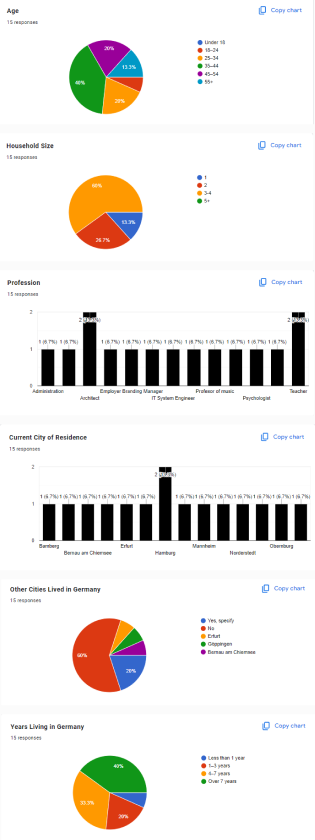
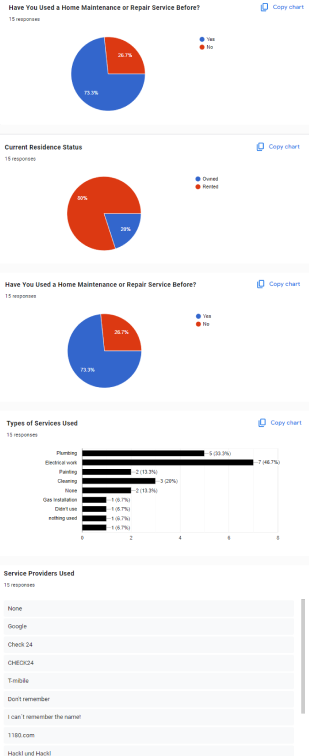
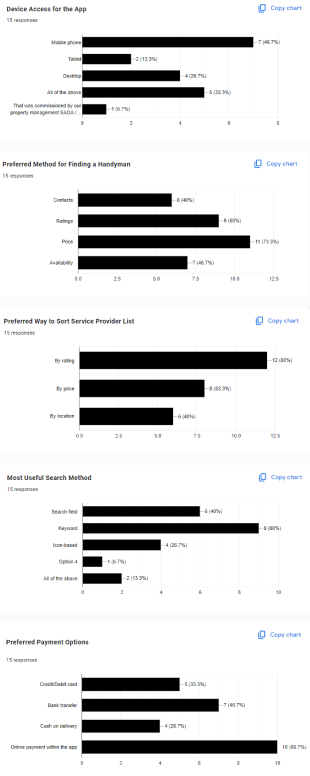
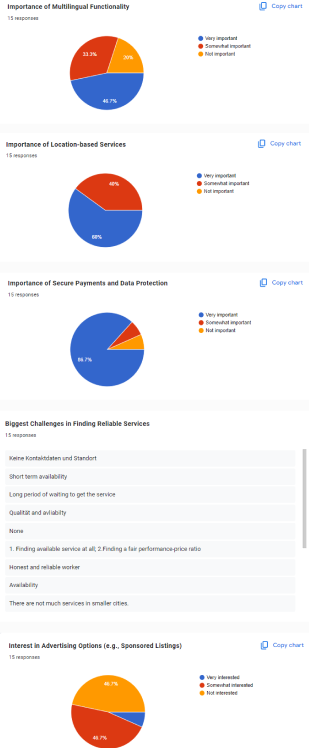
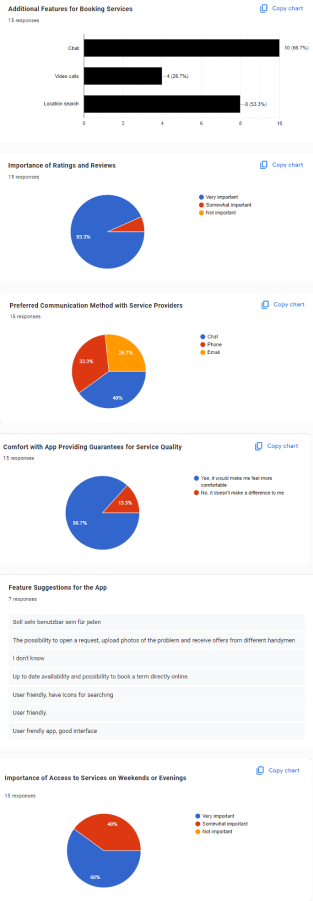

The competitive analysis revealed gaps in competitors' offerings, allowing us to address unmet customer needs and refine our marketing strategies. For example, while one competitor excels in customer service, their higher pricing creates an opportunity for us to attract cost-conscious consumers. Insights from the analysis also highlighted the importance of social media engagement, inspiring us to adopt similar tactics that boosted our brand awareness. Ultimately, this process clarified our unique value proposition and informed strategic decisions across departments to drive growth.
👥 Creating Your Average User’s Needs
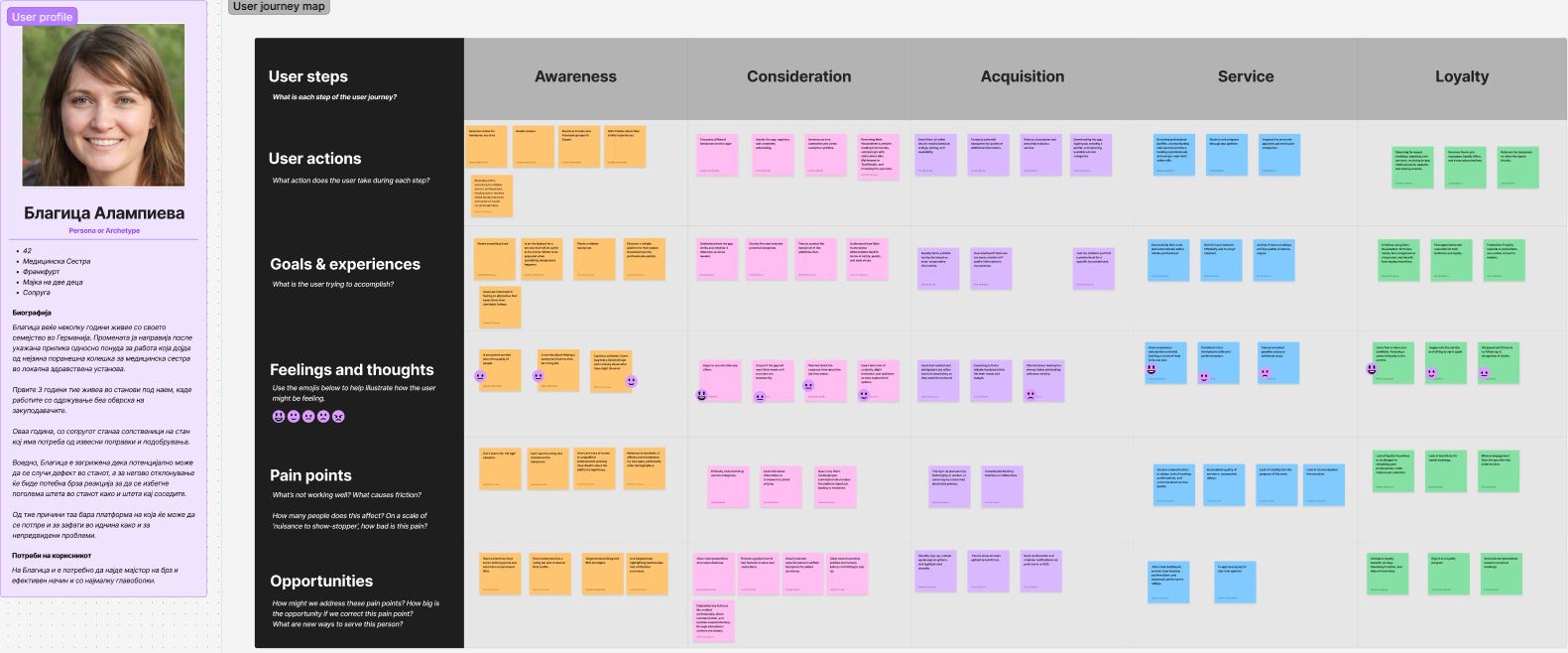
User Persona
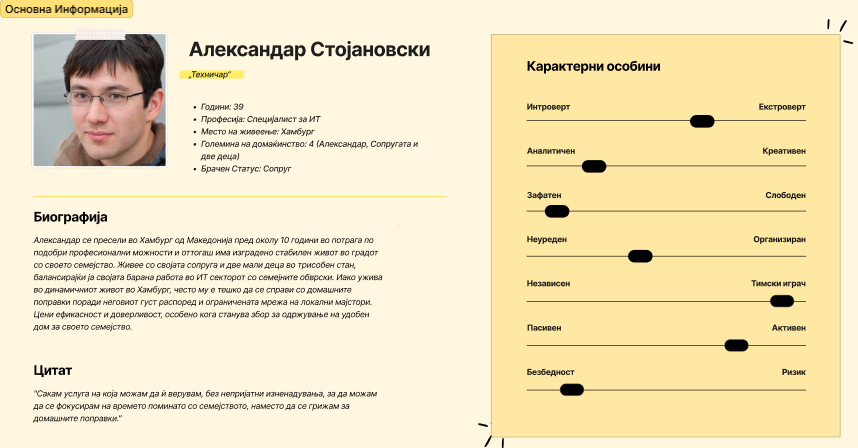
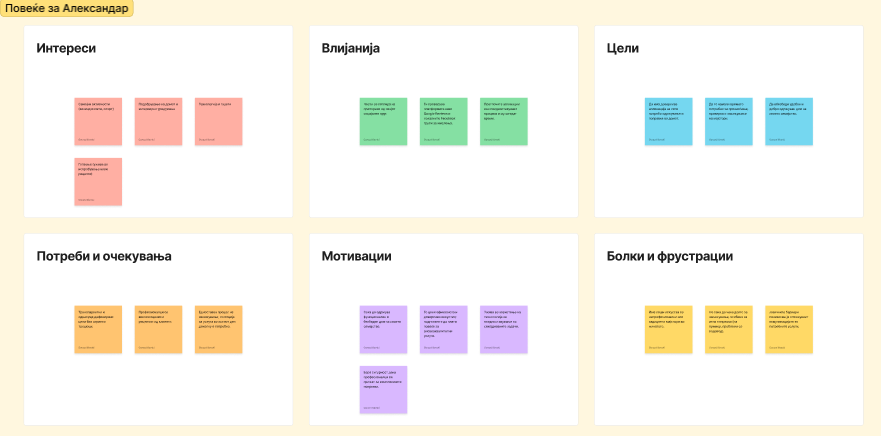
Key Needs:
Drawing on our research findings, we identified that German homeowners required a user-friendly interface, quick access to verified professionals, and a secure way to manage service bookings. We envisioned a platform that would reduce the hassle of home repairs by offering clear, trustworthy information and a streamlined booking process. Each identified need became a design pillar, ensuring that our solution was directly aligned with the expectations of its future users.
User Journey
The Flow of it:
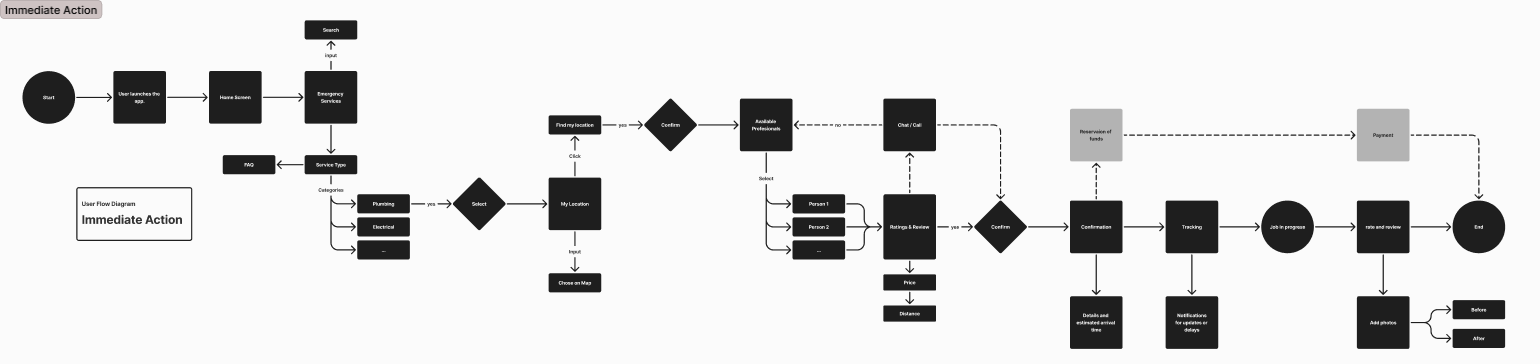
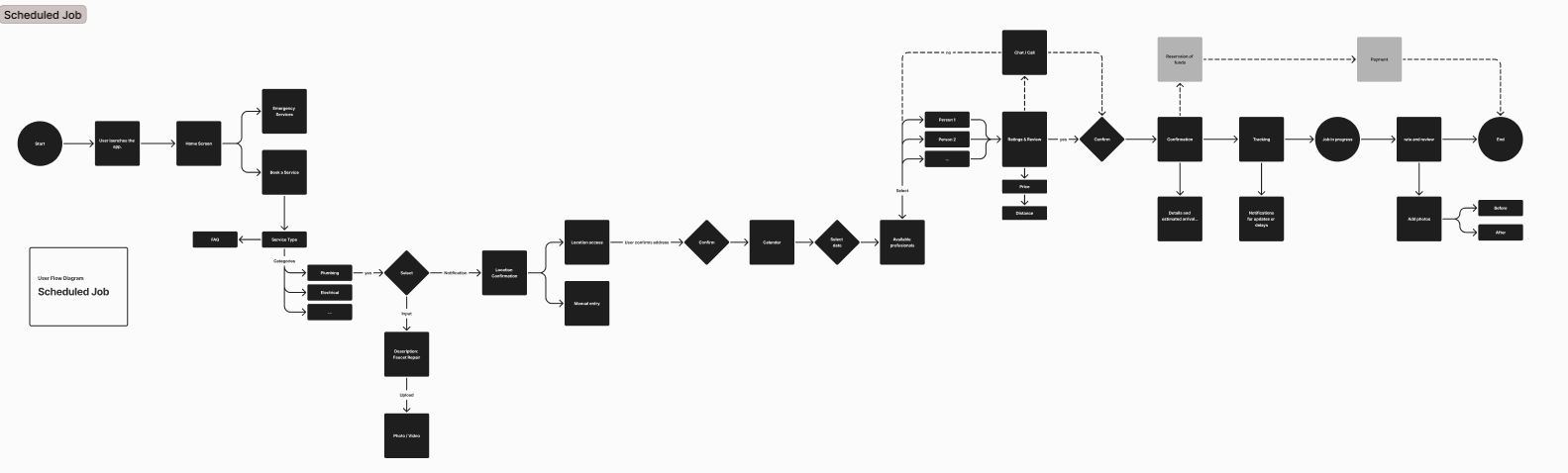
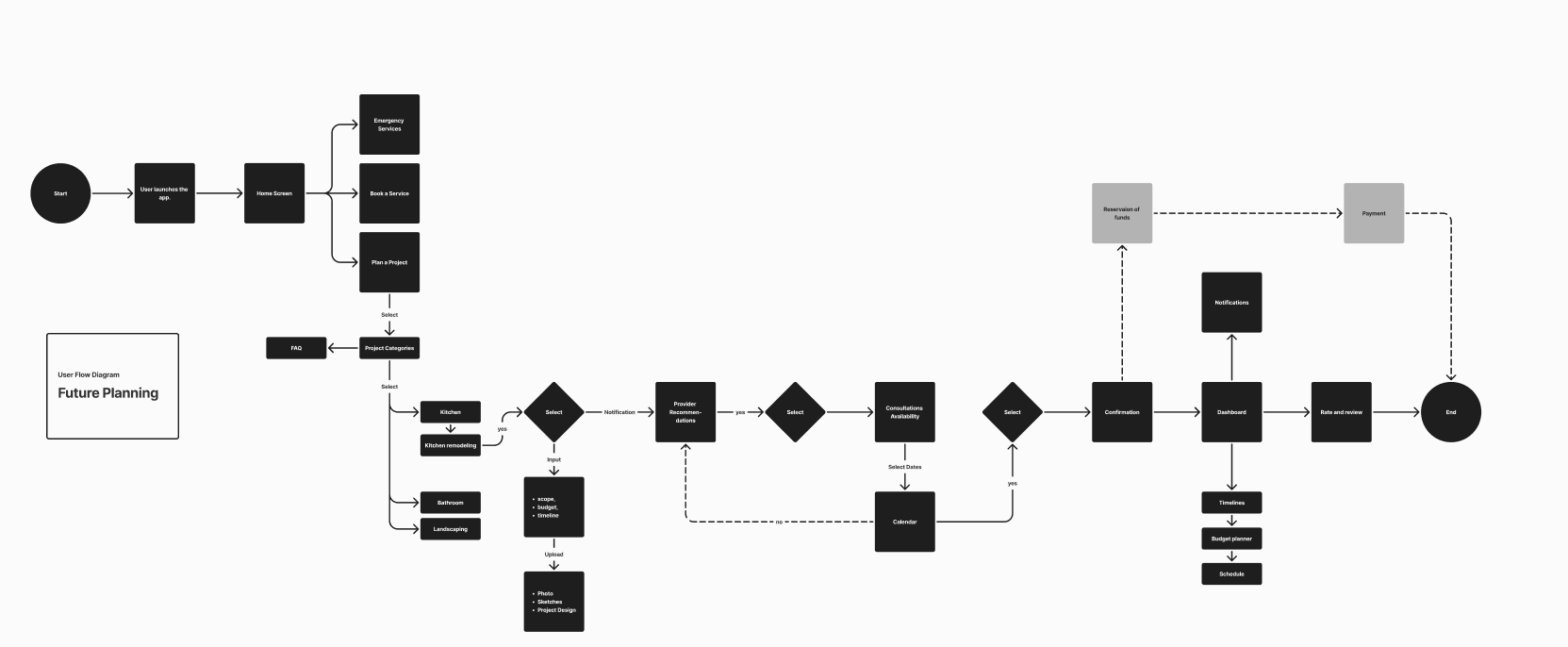
The user journey map and flow diagrams we created illustrated the step-by-step process a homeowner would take to find and book a handyman. This visual representation helped us identify key touchpoints where we could enhance the user experience, such as simplifying the booking form and providing real-time updates on service status. By mapping out these interactions, we ensured that every aspect of the user journey was designed to build trust and facilitate a smooth service experience.
- Immediate Job: Instantly book a handyman for urgent repairs or tasks that need immediate attention.
- Scheduled Job: Arrange a service for a specific date and time, track booking status, and communicate with your handyman.
- Future Planning: Plan ahead for seasonal maintenance or upcoming projects, and use reviews to select the best professional.
📊 Analyzing
Our analysis phase was a collaborative deep dive into the challenges homeowners face when seeking reliable handymen, such as inconsistent service quality and delayed responses. By pinpointing these pain points, we were able to craft a strategy focused on clarity, accountability, and efficiency. The insights from our analysis formed the backbone of our product strategy, helping us to prioritize features that would truly set Mein Hausmeister apart in a competitive market.

🗺️ Mapping Your Product
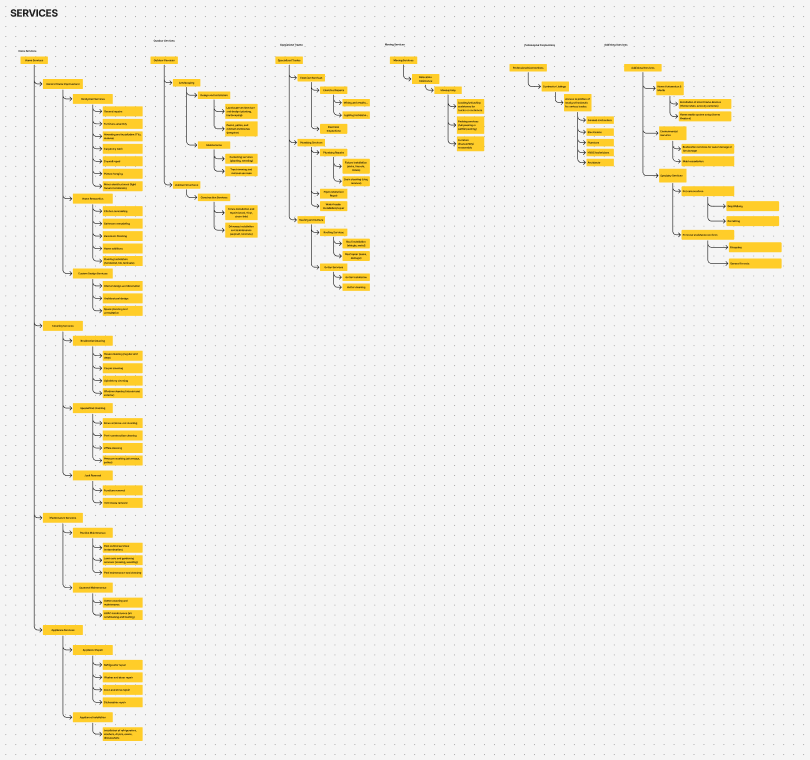
With a clear set of goals, we mapped out the user journey, meticulously detailing every interaction from initial website visit to final service review. This blueprint was designed to build trust step by step, ensuring that each user experience was both intuitive and reassuring. Our product map acted as a strategic guide, aligning our design and functionality decisions with the overarching aim of delivering a seamless, reliable service experience.
📐 Framing Your Wires
Our team then moved into the wireframing stage, where ideas quickly took shape as detailed sketches and digital outlines. We experimented with various layouts and navigational flows to ensure that every page facilitated easy access to essential information. These wireframes became our collaborative playground, allowing us to iterate and refine our vision until every element clearly communicated the professionalism and reliability of Mein Hausmeister.
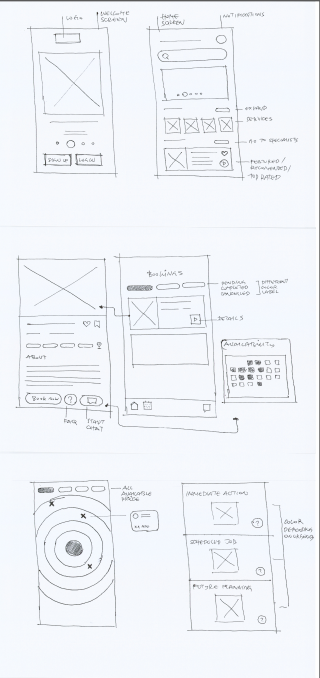
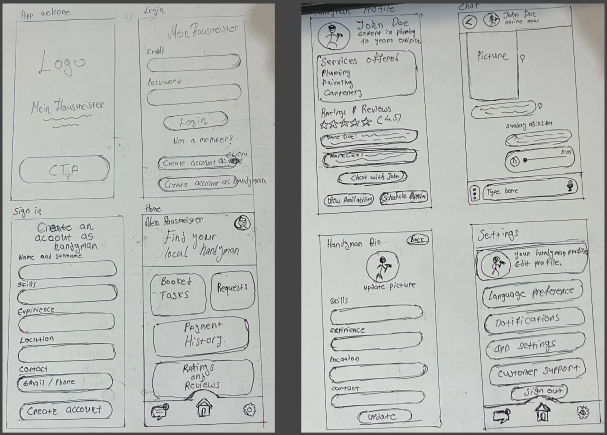
Additionally, I ensured that the customization options were easily discoverable. The wireframes emphasized clear calls-to-action for personalization, creating an intuitive flow that guided users smoothly through the gift selection and customization process. This helped set the stage for a user-friendly, personalized experience.
🎨 Designing Your Product
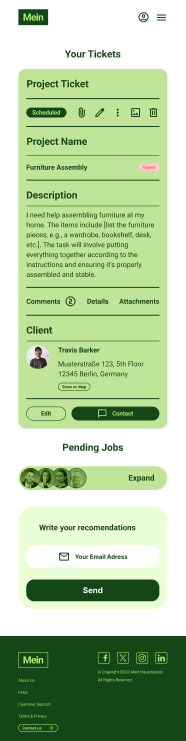
Design System Highlights:
- Color palette: #154617 (Primary), #B0EC70 (Secondary), #EBFFD6 (Tertiary), #000000 (Background)
- Typography: Roboto


🛠️ Prototyping
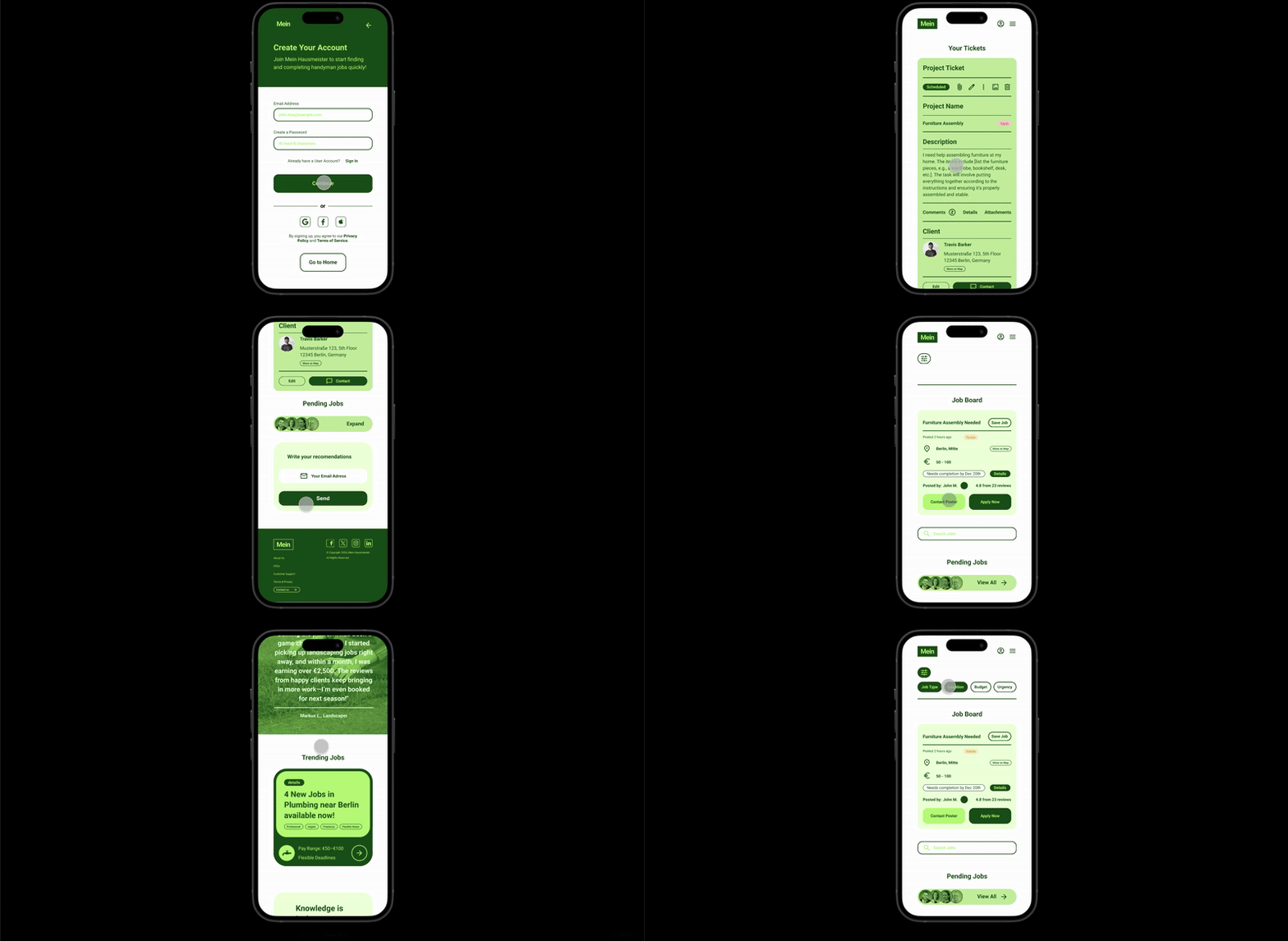
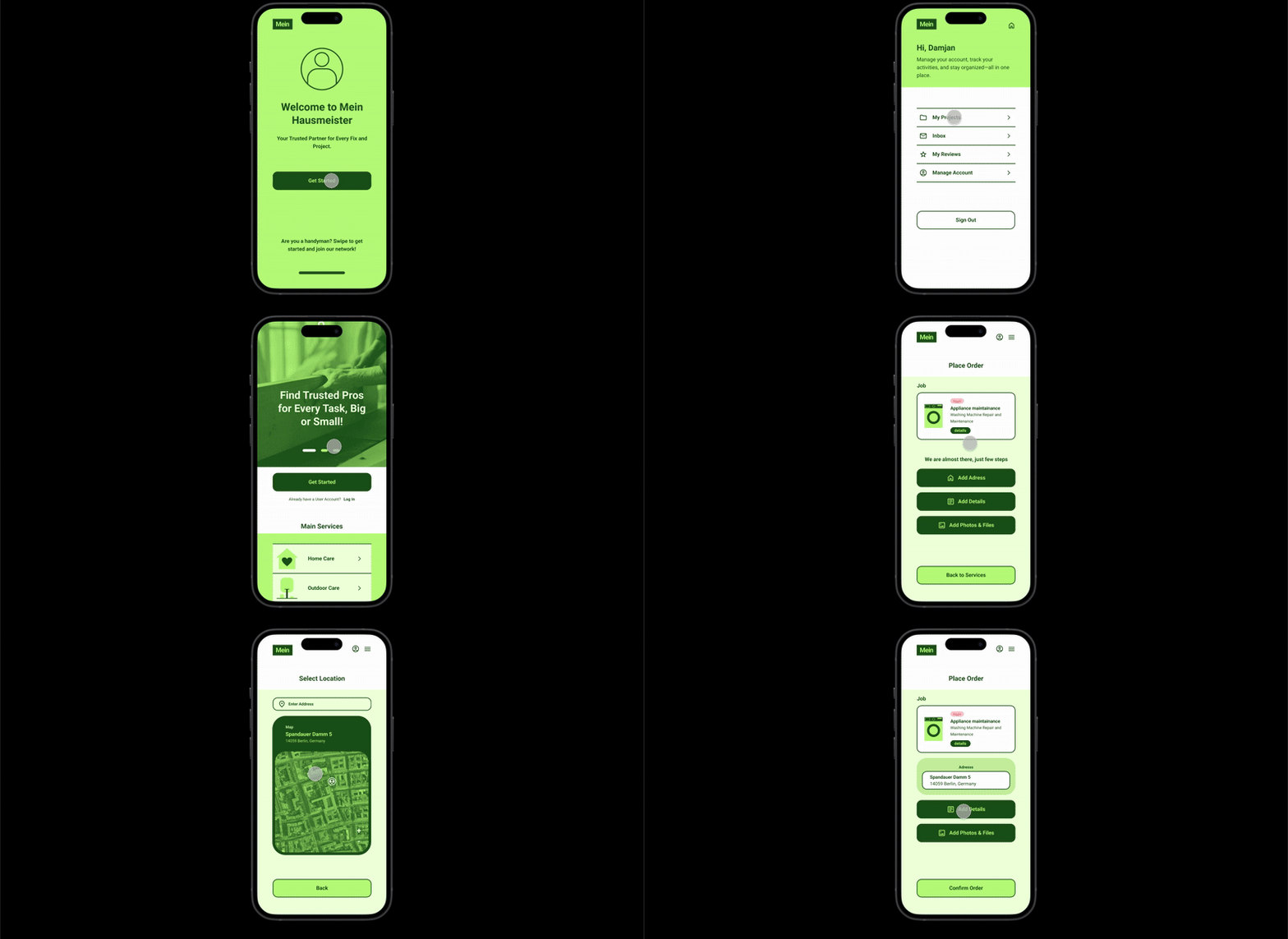
Transitioning from design to a functional prototype, we collaboratively built an interactive model of Mein Hausmeister that showcased the entire user journey. This prototype allowed us to test real-world scenarios, gather user feedback, and fine-tune both the interface and functionality. Each round of prototyping further validated our design decisions, ensuring that the final product was as robust and user-centric as we envisioned.
Tools Used:
- Figma
🎉 DING! All Done
As our project reached completion, Mein Hausmeister emerged as a comprehensive solution that redefined how German homeowners connect with trusted handymen. The platform not only encapsulated our commitment to transparency and quality but also demonstrated the power of collaborative innovation in solving real-world problems. Reflecting on our journey, we recognized that the true success of the project lay in the collective insights and creative synergy that transformed a challenging market need into a compelling digital experience.